Is Citi Double Cash Better Than Wells Fargo Active Cash? We Break It Down
You’ve decided it’s time to boost your rewards game, but you’re stuck between the Citi Double Cash and Wells Fargo Active Cash. Both cards promise cash back and simplicity, yet they have subtle differences that could make or break your decision. Let’s dig in and find out which one is truly your perfect match.
| Feature | Citi Double Cash | Wells Fargo Active Cash |
|---|---|---|
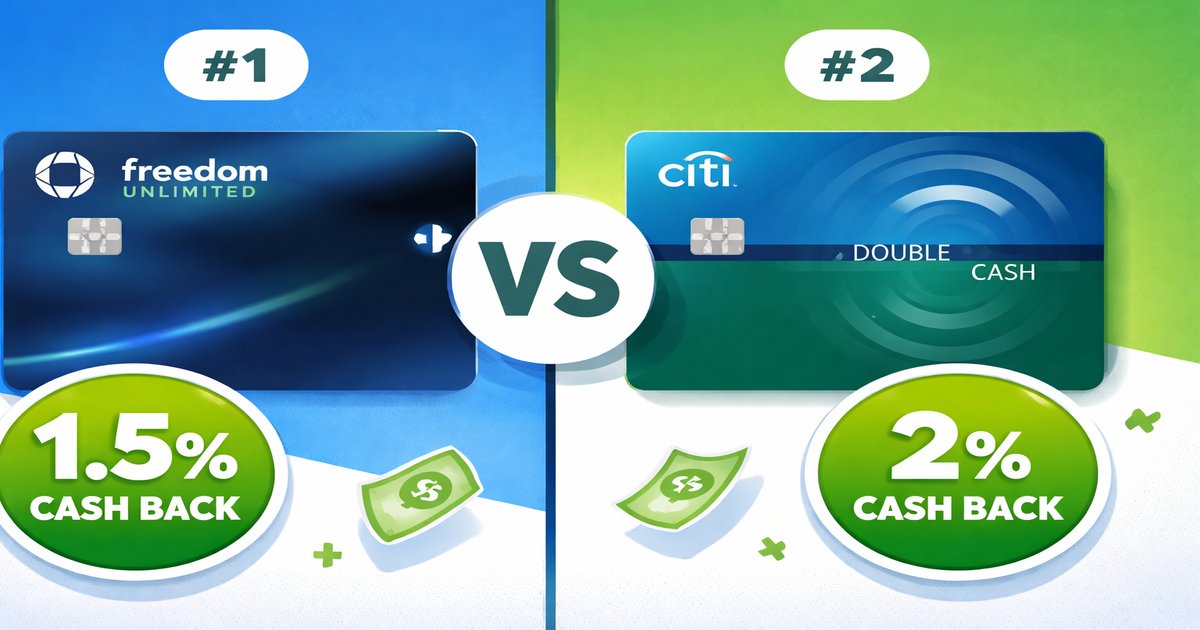
| Cash Back Rate | 2% (1% on purchase, 1% on payment) | 2% on all purchases |
| Annual Fee | $0 | $0 |
| Intro APR | 0% for 18 months on balance transfers | 0% for 15 months on purchases and balance transfers |
| Foreign Transaction Fee | 3% | 3% |
| Sign-Up Bonus | ✗ | $200 after $1,000 spend in first 3 months |
| Additional Benefits | Purchase protection, extended warranty | Cellphone protection, Visa Signature perks |
✅ citi double cash Pros
- Consistent 2% cash back encourages responsible spending.
- No annual fee means more savings over time.
- Long 18-month 0% APR on balance transfers helps manage existing debt.
❌ citi double cash Cons
- No sign-up bonus to kickstart rewards.
- Foreign transaction fees make it less travel-friendly.
- Complex cash back structure can confuse new users.
✅ wells fargo active cash Pros
- Simple 2% cash back on every purchase without any hoops.
- $200 sign-up bonus boosts initial rewards.
- Cell phone protection adds value for tech-savvy users.
❌ wells fargo active cash Cons
- Shorter 0% APR period compared to Citi Double Cash.
- 3% foreign transaction fee limits international use.
- Rewards redemption may be less flexible than some other cards.
Performance: Rewards Structure
The Citi Double Cash card gives you 1% cash back when you make a purchase and another 1% when you pay it off. It’s like a nudge to pay your bills promptly. If you’re disciplined, this structure works well. The Wells Fargo Active Cash is straightforward—2% right off the bat for every transaction. It’s a no-brainer for those who want to keep it simple without tracking payment stages. If you like your cash back without thinking twice, Wells Fargo might be your best bet.
Build Quality: Extra Perks
Citi Double Cash offers some solid protective benefits like purchase protection and extended warranties, which are great if you’re prone to accidents or buying tech gadgets. Wells Fargo stands out with its cellphone protection—ideal if you’re clumsy with your phone. Both have foreign transaction fees, so neither is a travel heavyweight. However, the Wells Fargo card’s Visa Signature perks might tip the scale if you enjoy a few extra luxuries.
Value: Initial Bonuses and Long-Term Use
Wells Fargo’s $200 sign-up bonus is an instant win for those who can meet the spending requirement. Over time, both cards offer similar value with their consistent 2% cash back. For balance transfers, Citi’s 18-month 0% APR period is a lifesaver if you need to consolidate debt. If you’re more about immediate gratification, Wells Fargo’s initial bonus is a sweet deal. Otherwise, Citi’s long-term balance transfer offer is more beneficial if you’re managing existing credit card debt.
Neither card is ideal for international travel due to foreign transaction fees. Also, Citi’s reward system can be a drag if you don’t pay off purchases quickly—keep that in mind if you carry a balance. Wells Fargo’s reward redemption options might not match the flexibility some users desire, so be prepared for that limitation.
Our Final Verdict: Which One Should You Buy?
For the disciplined spender who doesn’t mind keeping track of payment cycles, Citi Double Cash is the way to go, especially if you’re planning to tackle existing debt through balance transfers. On the other hand, if you want a no-fuss cash back card with a satisfying upfront bonus, Wells Fargo Active Cash is your match, particularly if you value simplicity and extra perks like cellphone protection.
Does the Citi Double Cash have a sign-up bonus?
No, Citi Double Cash does not offer a sign-up bonus, which may be a drawback if you’re looking for an initial rewards boost.
Is the Wells Fargo Active Cash good for travel?
Not particularly, as it carries a 3% foreign transaction fee, making it less appealing for international trips.
Which card is better for balance transfers?
The Citi Double Cash is better for balance transfers with its longer 18-month 0% APR period, ideal for paying down existing debt.