I Tried Both Chase Sapphire and Amex: Here’s My Verdict
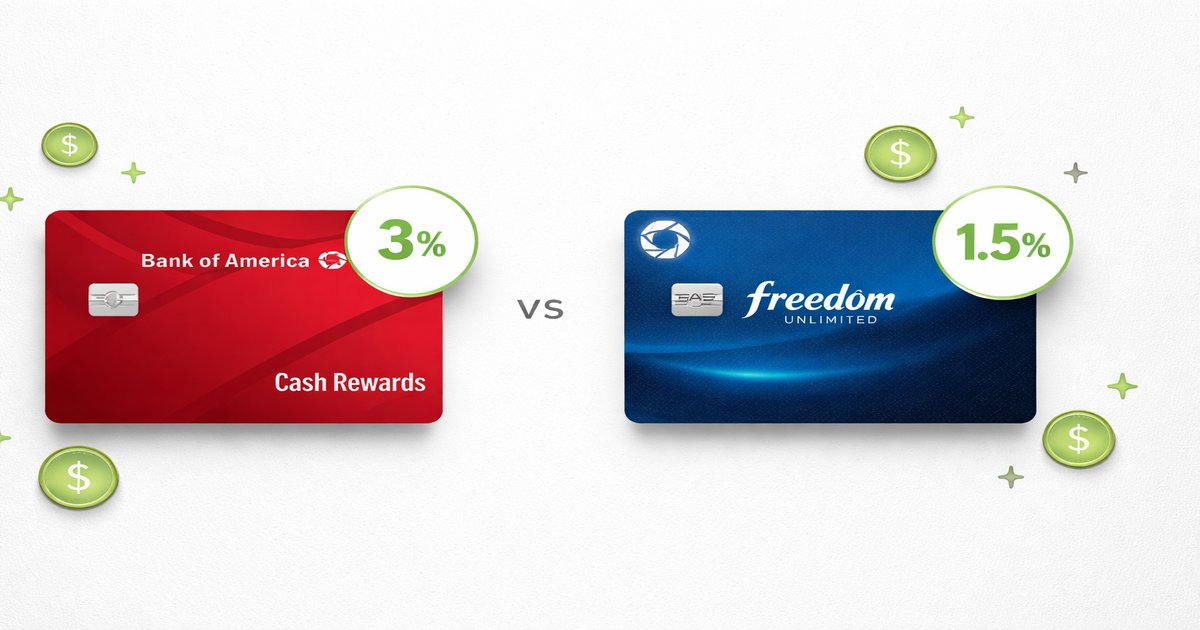
You’re ready to pick a travel rewards credit card, but the options seem endless. Do you go with the Chase Sapphire, known for its impressive travel perks, or the Amex, a classic contender with its own set of benefits? Let’s break down these two heavyweights to help you make the smart choice for your wallet and lifestyle.
| Feature | Chase Sapphire | Amex |
|---|---|---|
| Annual Fee | $95 | $250 |
| Travel Credits | ✗ | $200 |
| Travel Points per Dollar | 2x | 3x |
| Intro APR | 0% for 15 months | ✗ |
| Foreign Transaction Fees | ✗ | ✗ |
| Sign-Up Bonus | 60,000 points | 75,000 points |
✅ chase sapphire Pros
- Low annual fee compared to competitors.
- Excellent travel and dining rewards.
- No foreign transaction fees.
❌ chase sapphire Cons
- Lower travel points per dollar compared to Amex.
- No annual travel credits.
✅ amex Pros
- High travel points earning rate.
- Generous travel credits.
- Attractive sign-up bonus.
❌ amex Cons
- Higher annual fee.
- No intro APR period.
Performance and Rewards
Both cards offer impressive rewards, but they cater to different spending habits. If you’re a frequent traveler, Amex’s 3x points on travel might sound appealing, especially with the $200 travel credits cushioning your expenses. However, if you’re more about dining out and want broader options without the hefty annual fee, Chase Sapphire’s 2x points might be your best bet. It’s about aligning the card’s strengths with your spending patterns to maximize reward potential.
Build Quality and Customer Experience
Chase Sapphire and Amex both exude a premium feel, but the Amex card might feel a tad more luxurious with its sleek design. Customer service-wise, both have strong reputations, but Amex is often praised for its concierge services, which can be a lifesaver when booking last-minute travel or dining reservations. If you value superb customer service and card presentation, Amex slightly edges out Chase here.
Value for Money
When it comes to value, it’s all about balancing fees with benefits. Chase Sapphire’s lower annual fee makes it more accessible to a broader audience, especially those who want a robust rewards card without breaking the bank. Meanwhile, Amex justifies its higher annual fee with substantial travel credits and a higher point-earning rate, making it ideal for heavy travelers looking to capitalize on perks.
Both cards have hidden downsides not commonly discussed. Chase Sapphire’s travel and dining rewards might not cover every expense you assumed they would, and Amex’s high annual fee can negate the value if you don’t fully utilize the travel credits. Watch out for these traps to ensure you’re getting the best bang for your buck.
Our Final Verdict: Which One Should You Buy?
If you’re a moderate spender who enjoys dining out and occasional travel, the Chase Sapphire is your go-to. It’s a solid all-rounder without the hefty fee. However, if you’re a frequent traveler willing to pay more upfront for richer rewards and perks, the Amex card is an investment in luxury and convenience. Choose the one that aligns with your lifestyle and spending habits.
Do these cards offer lounge access?
Chase Sapphire does not offer lounge access, while some Amex cards provide access through the American Express Global Lounge Collection.
Can I get additional cards for family members?
Yes, both cards allow you to add authorized users, though fees may apply depending on the card version.
How easy is it to redeem rewards?
Both cards offer flexible redemption options, though Amex’s points can often be transferred to more travel partners, offering potentially better value.